
Bartering in Spain: What It Is and How to Do It
Definition, synonyms, safe steps and where to swap without money
Bartering (trueque in Spanish) is the direct exchange of goods or services without using money: you give something you no longer need and get something you can use. Its most common Spanish synonyms are intercambio (exchange), permuta and canje (swap). It works the same way it did thousands of years ago, but today you can also do it from your phone with neighbours nearby. Data checked on 21 October 2026.
What is bartering? Definition and synonyms
According to Spanish Wikipedia, it's the exchange of material goods or services for other objects or services, without money acting as a measure of value. When the exchange is formalised as a contract, it's called a permuta. In everyday Spanish people also say intercambio or canje.
It's a very old practice. The same source places it in the Neolithic, about 12,000 years ago, when farming and herding societies emerged and some people began making other things, such as pottery, to trade for other people's surplus. It has gained ground again thanks to the internet and social networks, which make it easier to find someone to swap with and meet at a common point.
Types of bartering
Simple. One item for another between two people: a lamp you no longer use for some books you'd like to read. It's the most common type and the easiest to close.
Services. What you swap is time or skills, not objects: an English lesson in exchange for help with a move. Time banks (bancos del tiempo), which Wikipedia cites as a modern form of exchange without money, are based on this idea.
Multiple or chain. Several people link up exchanges: you give something to one person, they give something to another, and in the end someone gives you what you were after. It helps when whoever has what you want doesn't need what you're offering.
Online. It happens through apps and websites, so you don't need to know the other person beforehand. That's why verified profiles and reviews matter so much here.
Why swap instead of buying or throwing things out
You save money, since what you get in exchange you don't buy new. You free up space at home without binning things that still work. And because handovers are usually in person, you meet people in your neighbourhood.
If you're kitting out a home, see where to find free furniture in Spain. If you live in the capital, here are ideas on how to get free things in Madrid.
How to barter, step by step
- Decide what you're offering and what you want in return. Be specific: "swap coffee maker for iron" works better than "open to offers".
- Post it with a clear photo, in good light and with a plain background, on an app, a neighbourhood group or at a market. Include its condition and size.
- Get in touch and arrange to meet with whoever is interested. Agree on the day, time and place in writing.
- Check the item when you meet before handing over yours. If something doesn't match what you agreed, you don't have to go ahead.
- Confirm the swap and, if the app allows it, leave a review.
If you'd rather do it with neighbours nearby and know who you're meeting, Waki is designed for that. There's no money involved: you only give away or swap, so there's no haggling or price offers. Profiles are verified, and you can read the reviews other people have left about someone before meeting.
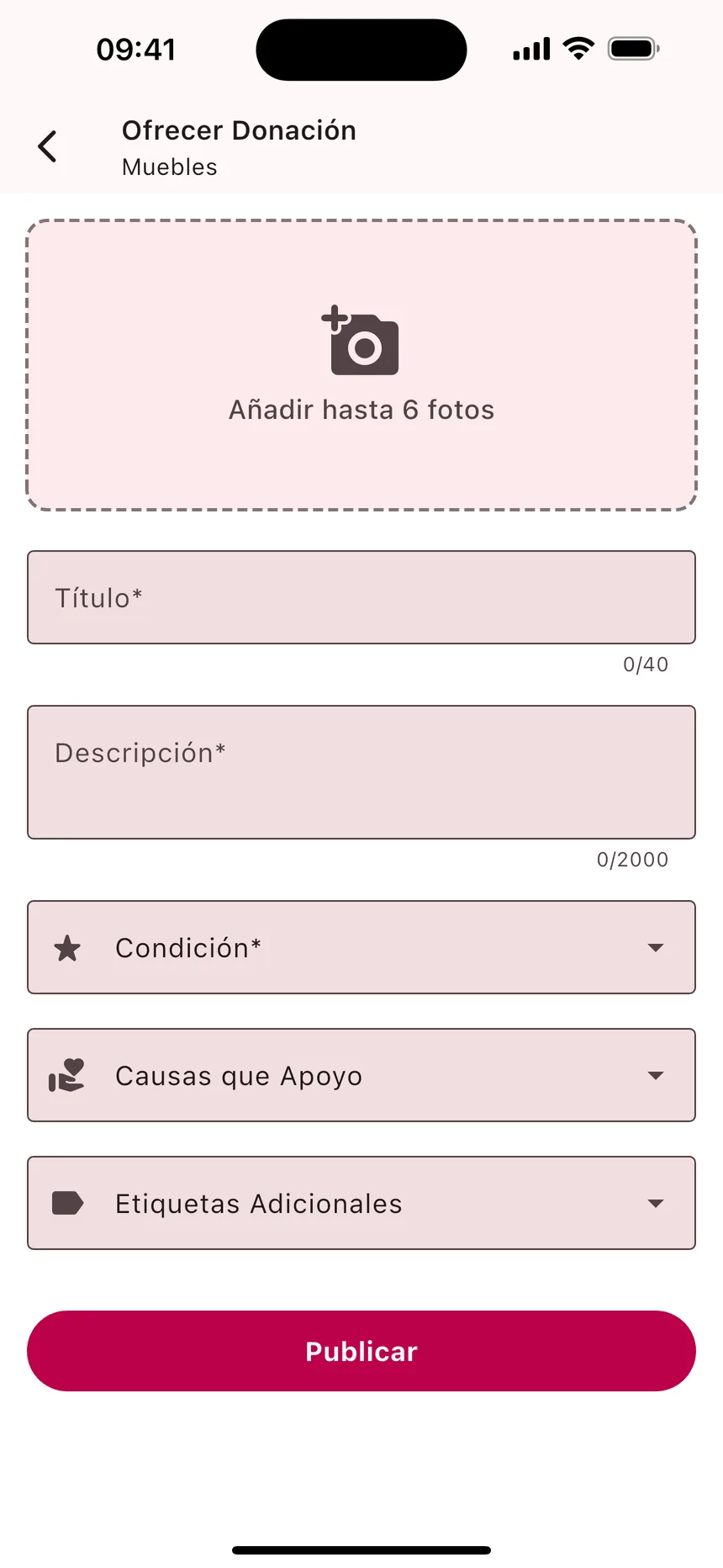
To post an item, you just take a photo and publish it from the app (screens in Spanish):
Then people who are interested talk to you through the in-app chat to arrange a meetup:
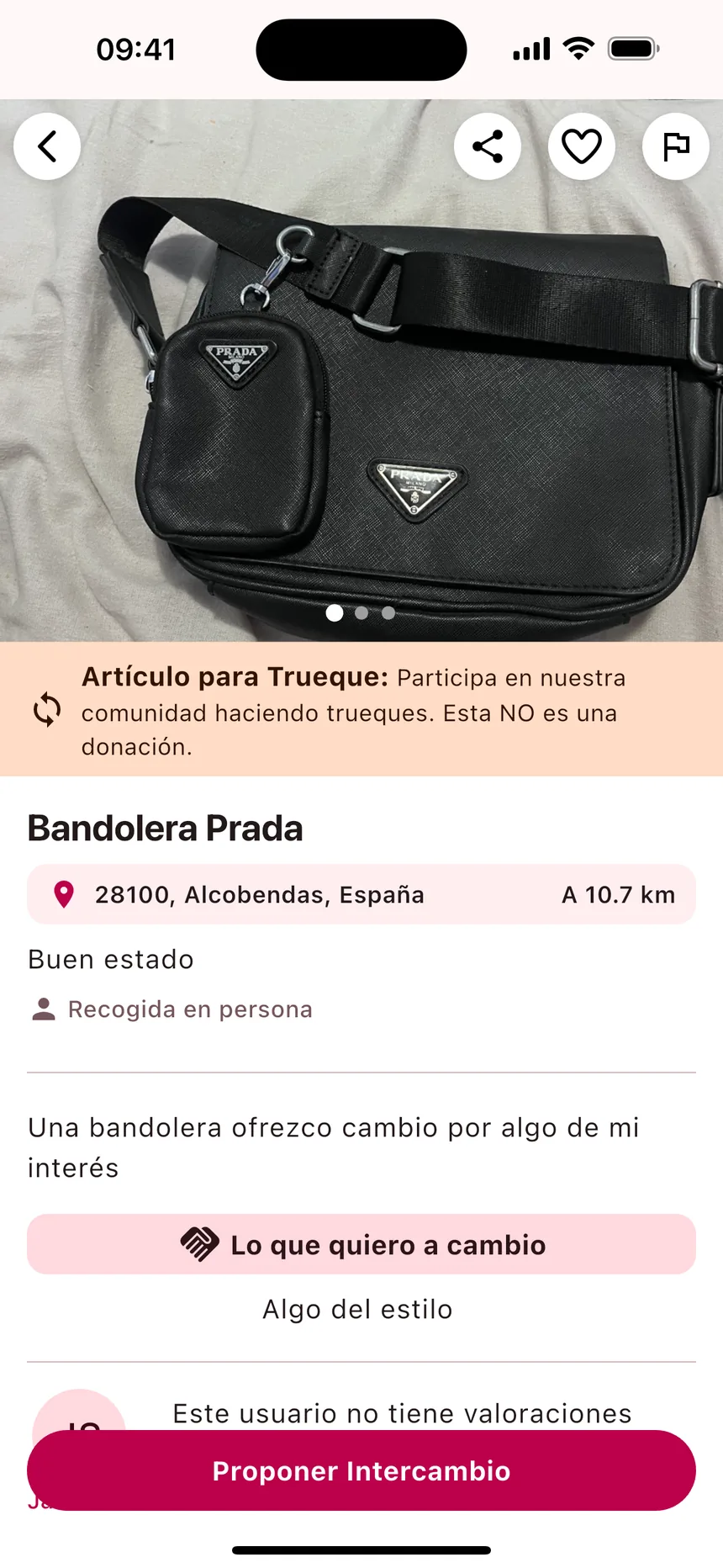
Fácil de usar, para intercambiar y regalar cosas funciona muy bien (translation: Easy to use, it works really well for swapping and giving things away)
If it's your first time, read how to get started with Waki.
Where to barter in Spain: apps and other options
There are options with and without apps. These are the main ones:
- Waki: for giving away or swapping household items and food with people nearby, free and with verified profiles. There are already more than 6,000 registered people. Madrid is where it has the most activity.
- Quierocambiarlo: according to its website, it's a web app for swapping things in Spain, with search by category, province and keyword.
- Givore: according to its website, it has no fees or subscriptions and includes built-in messaging.
- Nolotiro: a free website for giving things away, with listings organised by province, according to Genbeta.
- Freecycle: local groups run by volunteer moderators where everything posted must be free. According to its manual, each moderator decides whether to approve new members, so you often have to wait before you can start.
- Olio: an app for giving away, getting, lending or borrowing food and household items for free. In Spain, according to several reviews on its App Store page, there are often few items posted nearby.
- Facebook groups and Marketplace: Marketplace lets you post buy-and-sell listings within Facebook. INCIBE (Spain's national cybersecurity institute) points out that social networks lack sufficient mechanisms to verify that people are who they say they are.
- Wallapop: if what you want is to sell rather than give away or swap, it's a buying and selling platform, mainly for second-hand goods.
- In-person swap markets: ask your town hall (ayuntamiento), neighbourhood association (asociación vecinal) or local cultural centre whether they run exchange markets. You don't need a phone and you see the item on the spot. For Madrid, see this guide to flea markets in Madrid.
Anything nobody wants can go to an NGO or to the punto limpio (municipal recycling centre). There are more options in where to donate what you no longer use.
How to avoid no-shows and scams when bartering
- Confirm the day before in the chat. If the other person doesn't reply, don't count on them and message the next person interested.
- Set a clear deadline, such as "I'll keep it until Friday".
- Meet in a public place in daylight, with the item ready to be checked.
- Be wary if someone asks for payments, deposits or sends links. There shouldn't be any money in a swap: don't accept a Bizum request, don't pay for shipping and don't share bank details.
- Check the other person's reviews before meeting. A profile with a history is more reassuring than a brand-new one.
If you've already paid something by mistake, call your bank as soon as possible.
Bartering FAQ
What's a synonym for trueque?
The most common are intercambio, permuta and canje. Permuta is the term used when the exchange is formalised as a contract.
How do you barter?
Decide what you're offering and what you want, post it with a clear photo, meet whoever is interested in a public place and check the item before closing the swap.
Is it "el trueque" or "la trueque"?
It's el trueque, masculine. It means exchanging a good or a service for another without using money.
What are the types of bartering?
Simple (one item for another), services (time or skills), multiple or chain (several people link exchanges) and online, through apps and websites.
Which app can I use to swap or give away food?
Of the options in this guide, Waki and Olio let you share food as well as items.
Related articles
 Circular Economy
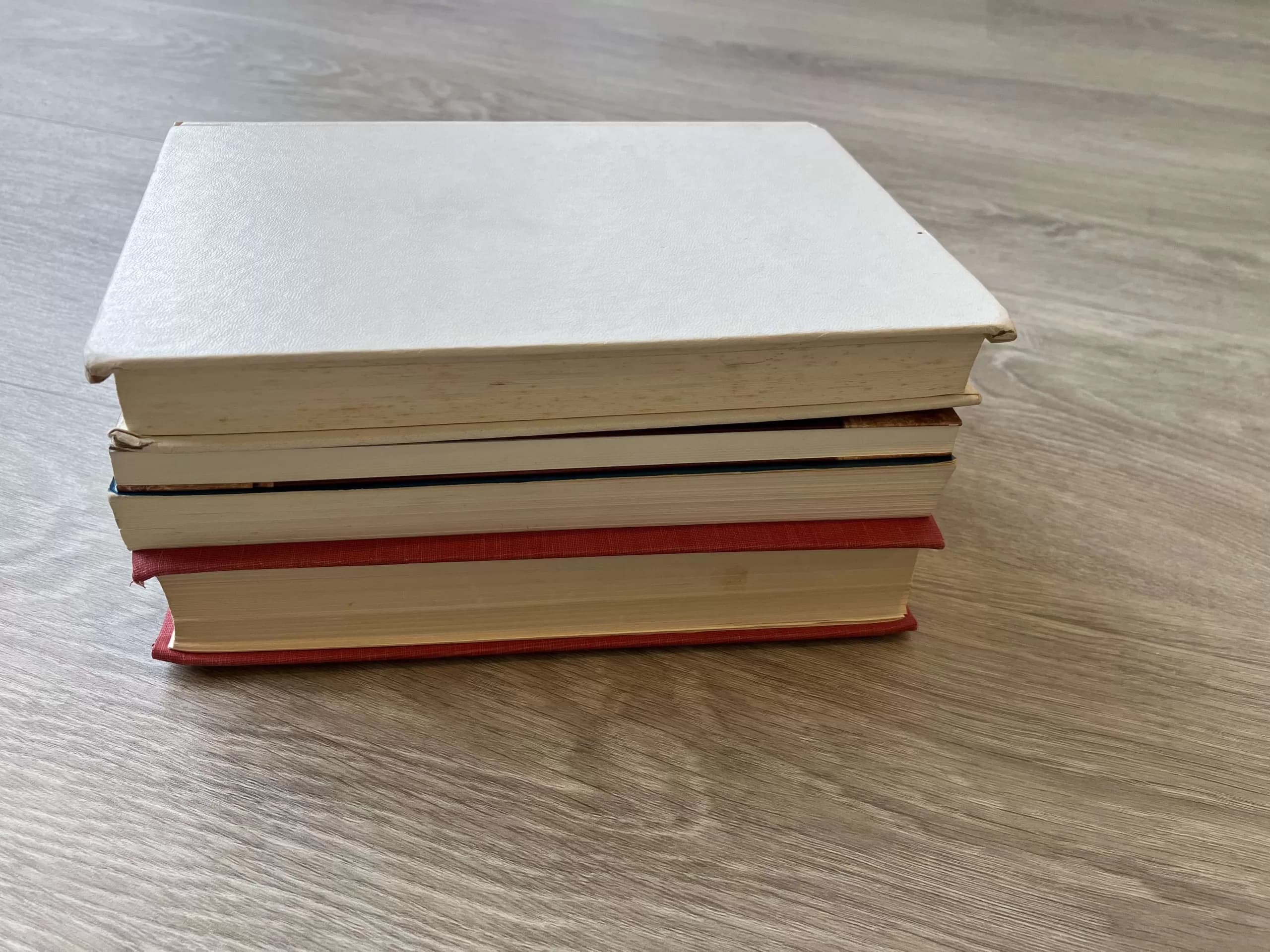
Where to Donate Used Books in Spain
Libraries, free home pickup, charity bookshops or a neighbour: where to donate used books in Spain and which books they won't accept.
 Circular Economy
IKEA second-hand in Spain: how it works
How IKEA second-hand works in Spain: buy-back, the bargain corner and the online marketplace, plus what to do with furniture IKEA won't take.
 Circular Economy
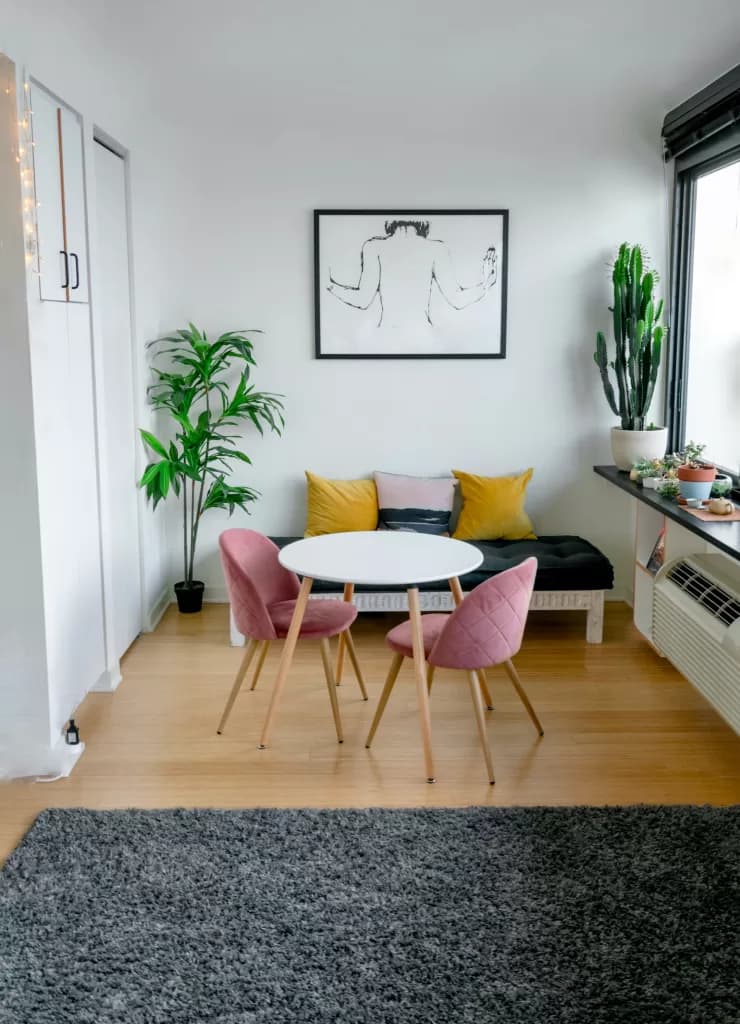
Free Furniture in Spain: Where to Find It
Where to get free furniture in Spain: Wallapop at €0, local groups, ReMAD in Madrid and giveaway apps. Plus what to check before you pick it up.